


Ultimate fried chicken recipe guide
Crispy, juicy fried chicken recipe—buttermilk brine, precise temps, pro tips, swaps, and storage so home cooks nail restaurant-level crunch.
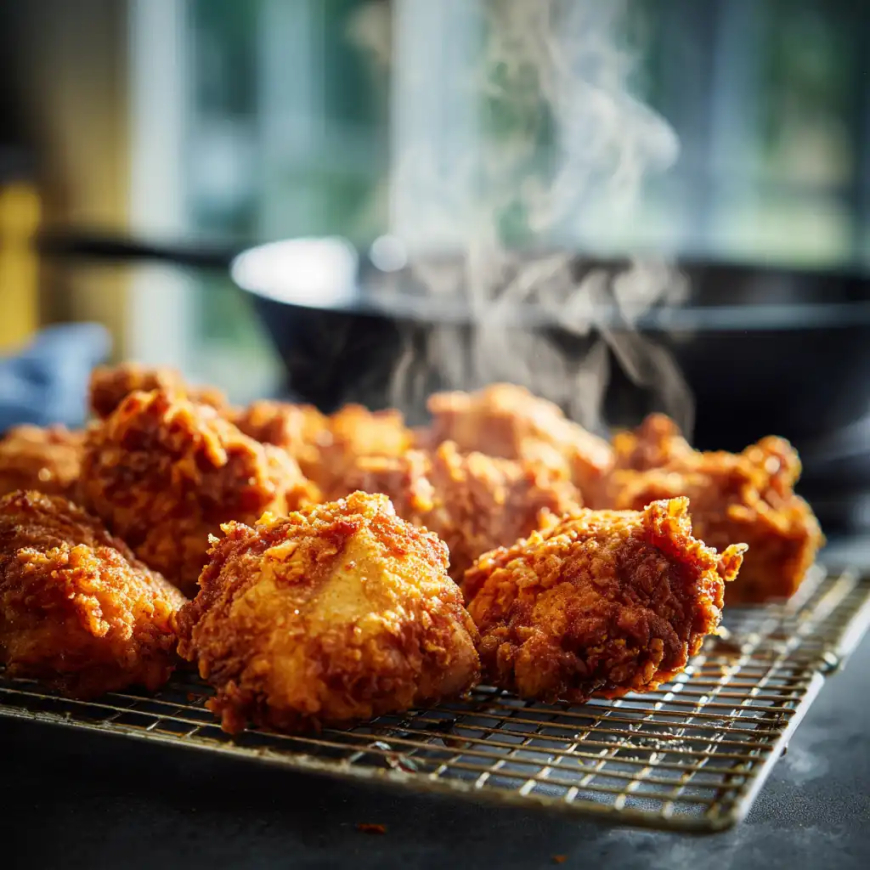
Crispy, Juicy fried chicken recipe: A Reporter’s Playbook
Search intent decoded — what readers really want from a fried chicken recipe
Most readers type fried chicken recipe seeking one thing: repeatable crispiness without dry meat. They also want clear timing, oil temperature guidance, simple gear, and safe doneness. Popular follow-ups include “buttermilk or not,” “baking powder vs. cornstarch,” “air fryer options,” and “how to keep it crunchy.” As a reporter who’s tested dozens of batches, here’s the bottom line:
“Brine for flavor and moisture, control oil heat, double-dredge lightly, and rest fried pieces on a rack—those four steps win the home kitchen.”
For context and comparison shopping, many readers also browse platforms like simply recipes, simply cook recipes, and even scan simply recipes news for trends, while dining out at Best restaurants helps calibrate expectations. Home cooks searching “daily recipes” want a faster weeknight path; pros want consistency for crowds.
(Food-safety safe minimum for chicken is 165°F / 74°C; use a thermometer for verification.)
The core fried chicken recipe (reporter-tested)
Why it works: A tangy buttermilk brine seasons deeply and helps coating adhere; a flour–cornstarch dredge builds a shattering crust; steady mid-range oil heat prevents greasy spots; a wire-rack rest preserves crunch.
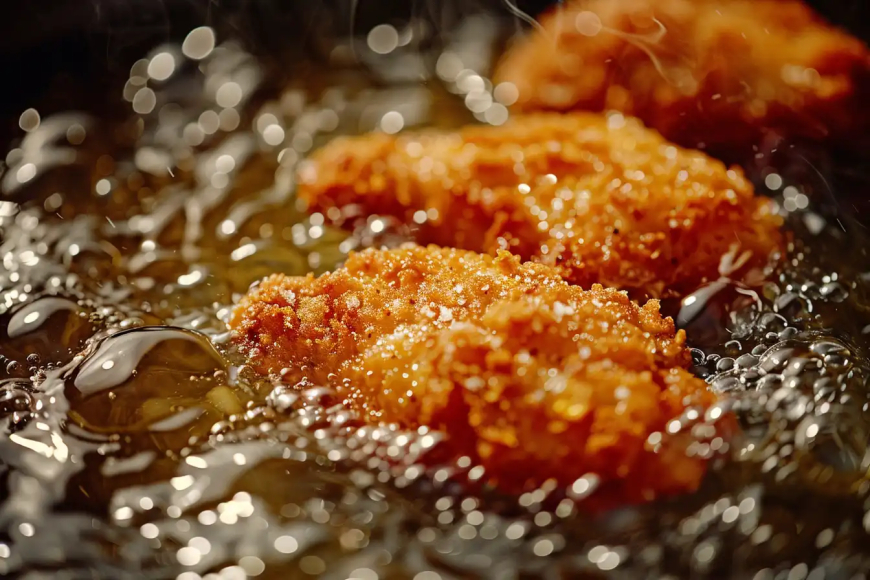
“Aim for steady medium bubbles, not a roiling boil—consistency beats intensity.”
Pro insights, swaps, and variants for your fried chicken recipe
-
Crunch math (flour–cornstarch): A 3:1 ratio yields classic crunch; 1:1 leans ultra-crispy. Baking powder boosts lift; too much can taste alkaline.
-
No buttermilk? Use whole milk + 1 tbsp lemon juice or pickle brine for twang.
-
Spice lanes: Go Nashville hot (cayenne–paprika oil), Korean-style (gochujang glaze), or lemon-pepper butter.
-
Gear check: Cast-iron stabilizes heat; a clip-on thermometer prevents guesswork; tongs protect the crust.
-
Air fryer pivot: Lightly oil dredged pieces; cook at 375–390°F, flipping once; expect a lighter, less oily crust.
-
Dietary tweaks: Gluten-free? Sub 1:1 GF flour + cornstarch; dairy-free? Use plant yogurt or brine in salted water.
Benchmark table — coating & heat outcomes (test kitchen log)
| Dredge Ratio | Oil Temp Window | Texture Note | Grease Pickup | Reporter Take |
|---|---|---|---|---|
| 3:1 flour:cornstarch | 300–325°F | Classic, hearty crisp | Low | Best all-around |
| 1:1 flour:cornstarch | 300–325°F | Ultra-crisp, glassy | Low-med | Showstopper crunch |
| 100% flour | 320–335°F | Thick, breadier | Med | Familiar diner style |
| + baking powder (½ tsp/cup flour) | 300–320°F | Airier, craggier | Low | Great for wings |
Storage, freezing, reheating (meal-prep smart)
-
Refrigerate: Up to 3–4 days in a covered container with a paper towel underneath the rack to wick moisture.
-
Freeze: Cool completely, freeze on a sheet, then bag.
-
Reheat: 400°F oven or air fryer until hot and re-crisped; avoid microwaves for crust quality.
“Reheat hot and fast to re-vitalize the crust without drying the meat.”
Nutrition & allergens at a glance
This fried chicken recipe contains wheat and dairy; peanut oil is optional but note allergies. Calories vary by cut and oil retention; thighs bring more fat but stay forgiving for beginners.
Serving & pairings that amplify a fried chicken recipe
-
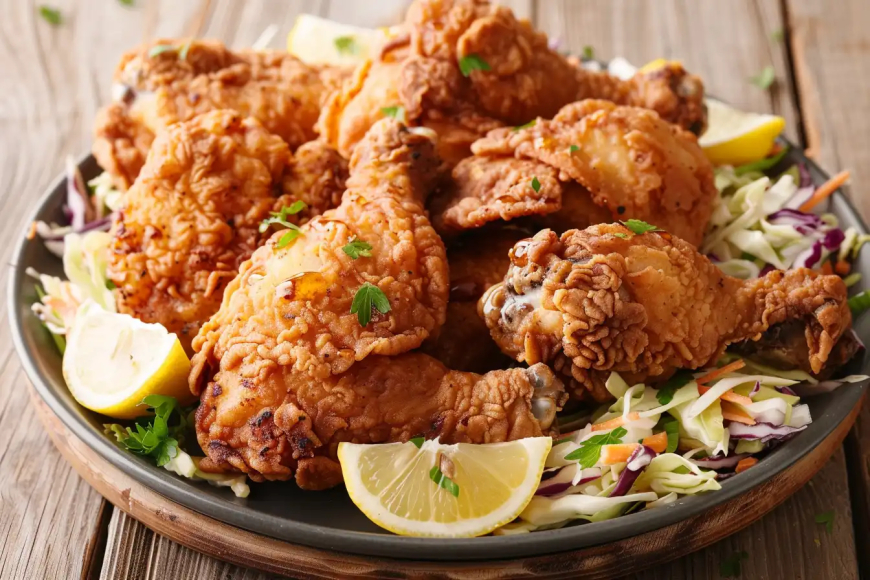
Sides: Vinegary slaw, buttermilk biscuits, charred corn, or garlicky green beans.
-
Sauces: Hot honey, pepper vinegar, creamy ranch, gochujang glaze.
-
Drinks: Light lager, iced tea with lemon, or a crisp American pilsner.
“Bright, acidic sides cut through richness and keep bites lively.”
Extended applications — building coverage beyond one fried chicken recipe
If you report on food or run a community page, link this fried chicken recipe to related explainers:
-
For more gear notes, see our piece on thermometers and oil control.
-
For spice trends, read regional heat: Nashville to Seoul.
-
For health angles, explore lighter coatings and air-fryer tests.
-
For dining context, check our roundup of fried chicken at Best restaurants nationwide.
Stay curious and keep notes from each batch. Share this fried chicken recipe with a neighbor, test a new spice lane next weekend, and check back for our next kitchen breakdown.
Troubleshooting & FAQs around your fried chicken recipe
Soggy crust?
Oil too cool or overcrowding. Fry fewer pieces; reheat oil between batches.
Blond, pale crust?
Raise heat slightly or extend time.
Coating falls off?
Skip shaking in a bag; press dredge onto damp chicken and rest on a rack before frying.
Greasy taste?
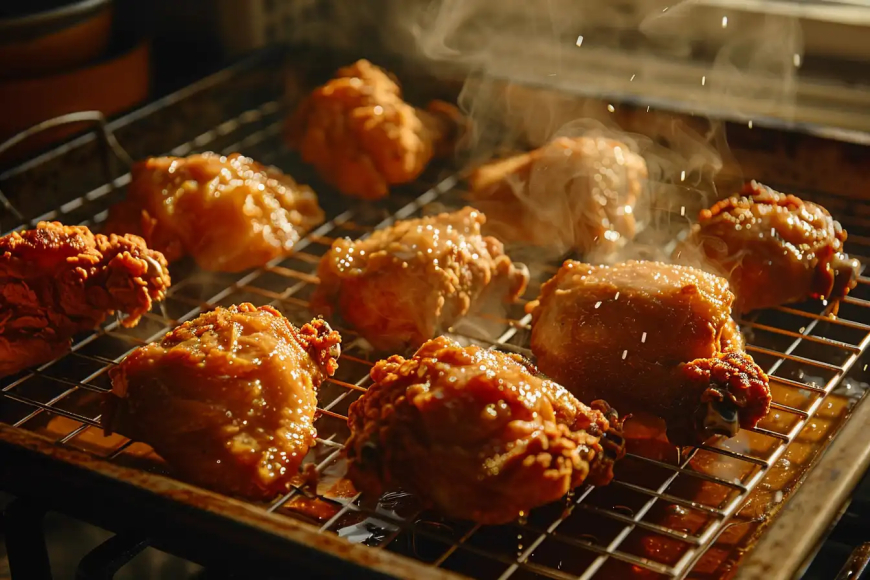
Maintain mid-range heat and drain on a rack, not towels.
Is pink near the bone okay?
Color can mislead; rely on a thermometer hitting 165°F in the thickest portion.


Ingredients
- 3 lb chicken pieces
- 2 cups buttermilk,
- 1½ cups all-purpose flour
- Frying oil for 1½–2 inches depth
- Optional finishes: flaky salt, hot honey, lemon wedges
- 1 tbsp hot sauce
- 2 tsp kosher salt
- ½ cup cornstarch
- 2 tsp kosher salt
- 2 tsp paprika
- 1 tsp garlic powder
- 1 tsp onion powder
- ½ tsp black pepper
- ½ tsp baking powder
Nutritional Information
- Calories: ~320
- Protein: ~22g
- Fat: ~18g
- Carbs: ~18g
- Sodium: ~480mg
- Allergens: wheat, dairy
Directions
1.
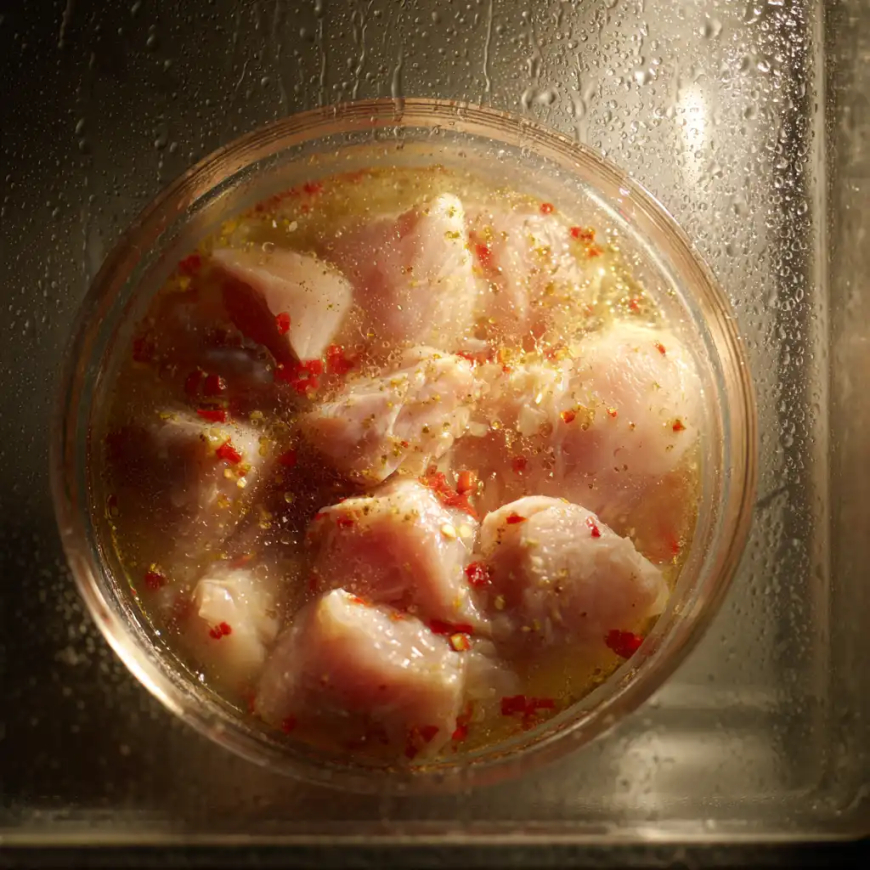
Brine (2–12 hours): Stir buttermilk, hot sauce, and salt. Submerge chicken; cover and refrigerate. Longer brines deepen flavor and moisture.
2.
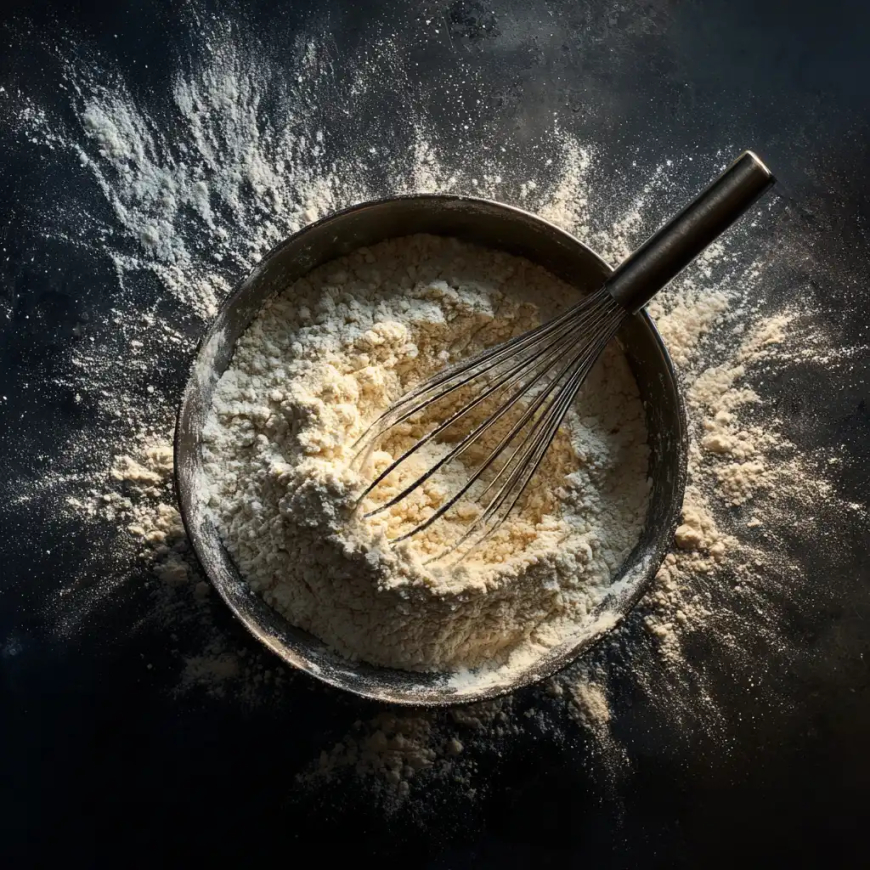
Set up the dredge: Whisk flour, cornstarch, salt, paprika, garlic powder, onion powder, pepper, and baking powder. Cornstarch lightens the crust; baking powder adds micro-bubbles for extra crag.
3.
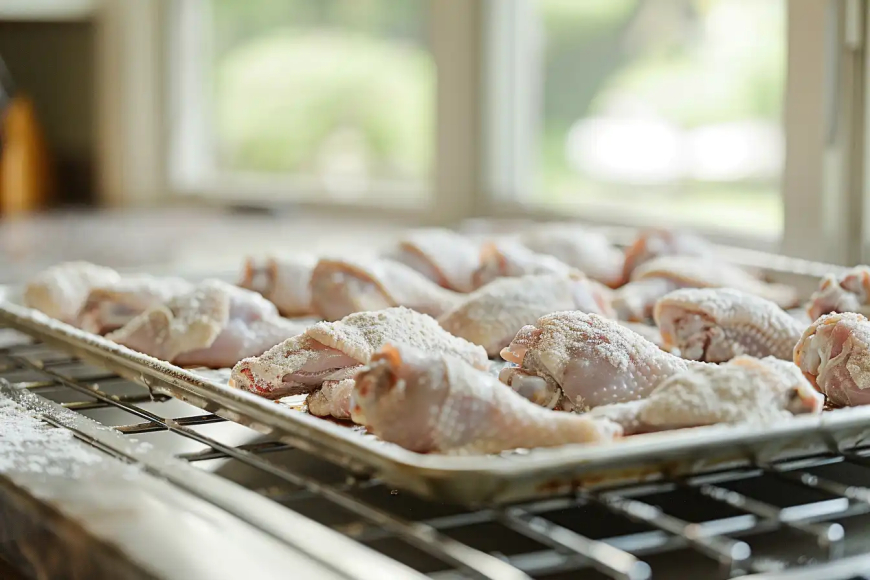
Coat: Shake excess brine; dredge each piece. Rest coated chicken on a rack 10–15 minutes so the crust hydrates and clings.
4.
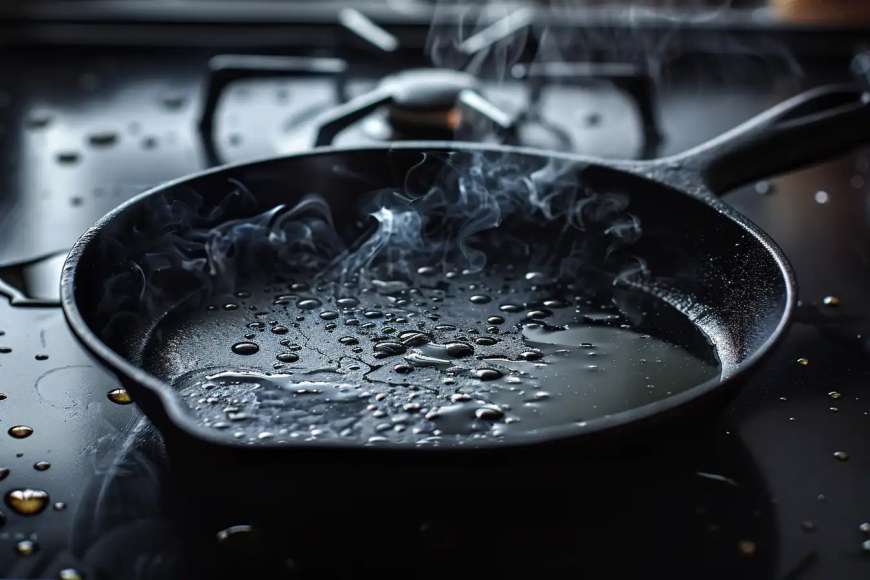
Heat oil: Bring 300–325°F oil in a deep, heavy pot or cast-iron skillet. Keep a thermometer clipped to maintain consistent heat.
5.
Fry in small batches: Lower pieces carefully; adjust heat to stay in range. Turn occasionally until deep golden and the thickest part reads 165°F. (Safe minimum: 165°F.)
6.
Drain & rest: Move to a wire rack; sprinkle a pinch of salt. Rest 5 minutes so juices redistribute and crust stays crisp.
7.
Finish: Serve straight, drizzle with hot honey, or toss in a warm spice butter. “Rack > paper towels. Trapped steam is the enemy of crisp.”
What's Your Reaction?
 Like
1
 Dislike
0
 Love
0
 Funny
0
 Angry
0
 Sad
1
 Wow
0


